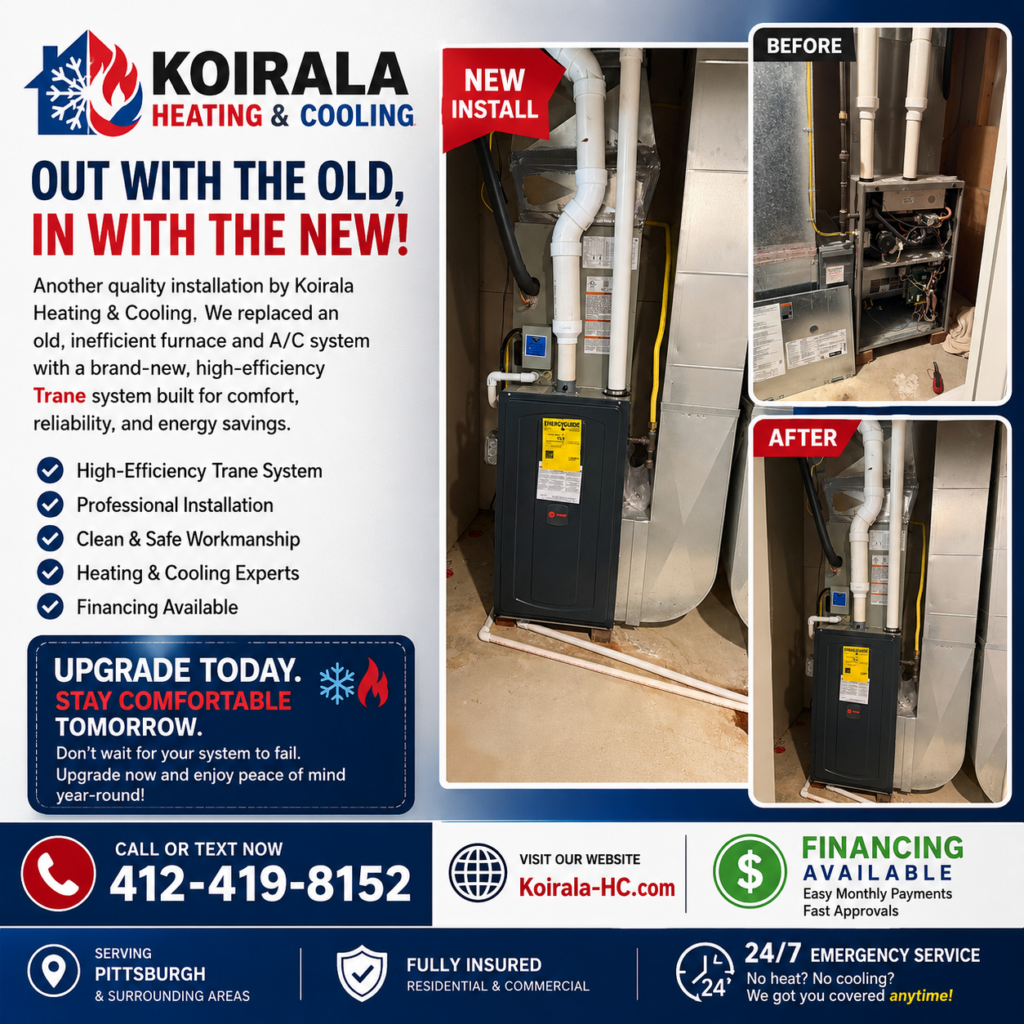
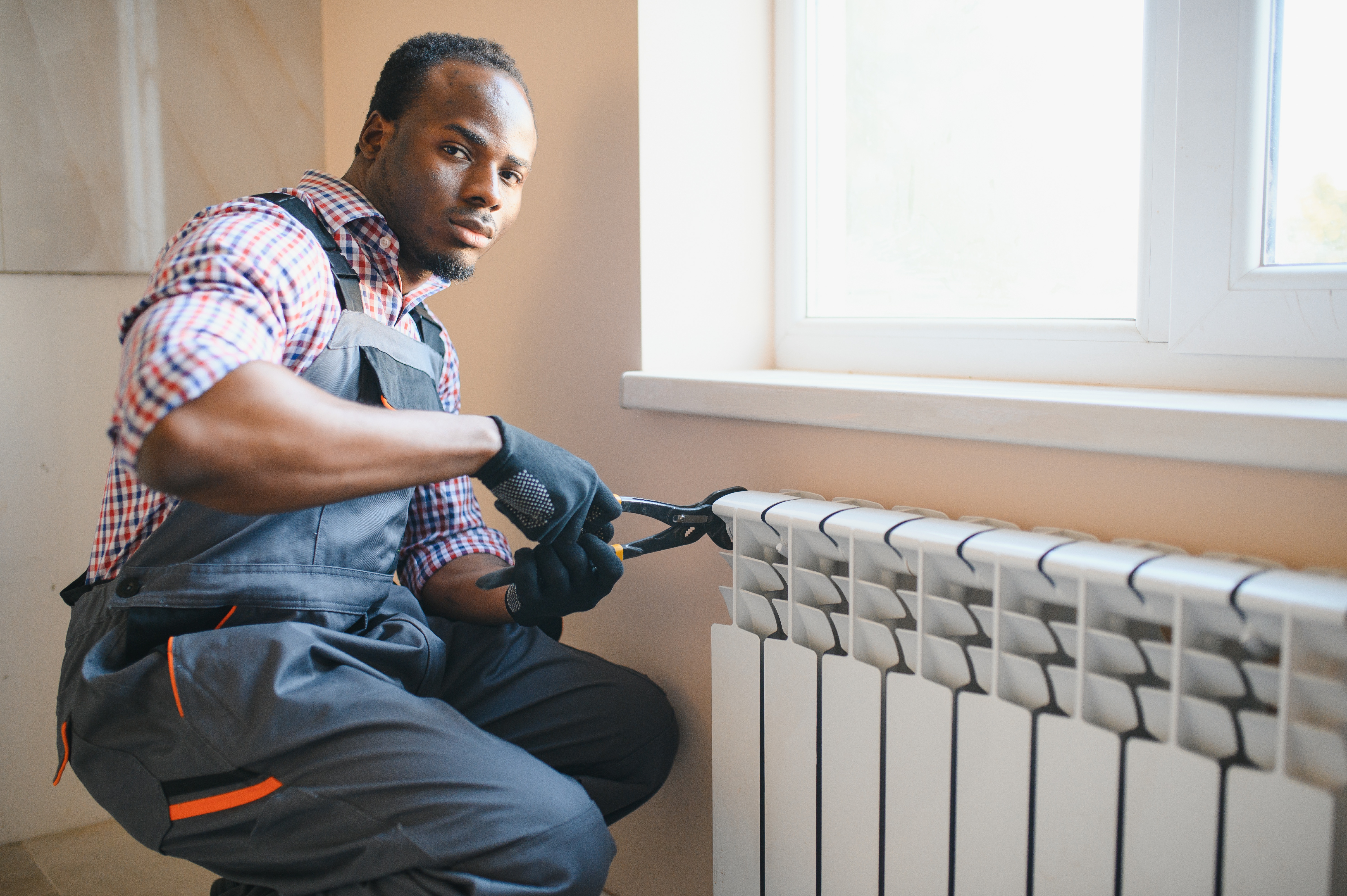
As temperatures begin to drop, ensuring your heating system is ready for winter should become a top priority. Proper Heating Maintenance keeps your home warm, improves energy efficiency, reduces utility costs, and helps prevent unexpected breakdowns during the coldest months of the year. Whether you rely on a furnace, boiler, or heat pump, routine maintenance extends the life of your equipment while improving overall comfort. Koirala Heating And Cooling LLC helps homeowners keep their heating systems operating safely and efficiently with professional maintenance, repair, and installation services tailored to their needs.
Many homeowners overlook their heating systems until something goes wrong. Unfortunately, waiting for a breakdown often results in expensive repairs or even complete heating replacement. Preventive maintenance allows small problems to be identified before they become major issues, saving money while ensuring dependable performance throughout the winter.
In this complete guide, you’ll learn everything you need to know about Heating Maintenance, including practical maintenance tips, signs your system needs professional attention, ways to improve efficiency, and how regular servicing protects your investment.
What Is Heating Maintenance?
Heating Maintenance is the routine inspection, cleaning, testing, and servicing of your home’s heating system to ensure it operates safely, efficiently, and reliably throughout the year.
Professional heating maintenance typically includes:
- Cleaning or replacing air filters
- Inspecting electrical connections
- Checking burners and heat exchangers
- Testing the thermostat
- Inspecting ductwork
- Lubricating moving parts
- Checking airflow
- Evaluating safety controls
- Testing system performance
Most HVAC professionals recommend scheduling heating maintenance once a year, ideally before winter begins.
Why Is Heating Maintenance Important?
Your heating system works hard during the colder months. Without regular maintenance, dirt, dust, worn components, and airflow restrictions can reduce efficiency and increase the risk of breakdowns.
Routine Heating Maintenance offers several benefits:
- Improves heating efficiency
- Reduces monthly energy bills
- Extends equipment lifespan
- Improves indoor comfort
- Helps prevent emergency breakdowns
- Enhances system safety
- Improves indoor air quality
- Reduces long-term repair costs
A well-maintained heating system also provides more consistent temperatures, making your home more comfortable throughout the winter season.
Signs Your Heating System Needs Maintenance
Many heating systems show warning signs before they fail. Recognizing these early indicators can help you schedule service before costly repairs become necessary.
Watch for these common warning signs:
- Uneven heating throughout your home
- Strange noises such as banging or rattling
- Higher-than-normal energy bills
- Weak airflow from vents
- Burning or musty odors
- Short cycling
- Thermostat inaccuracies
- Frequent system shutdowns
- Dust buildup around vents
If you notice any of these issues, scheduling professional service can help prevent more extensive heating system repair later
1. Replace or Clean Air Filters Regularly
Air filters are one of the most important components of any heating system. Their job is to capture dust, pollen, pet dander, and other airborne particles before they circulate throughout your home.
Over time, filters become clogged, restricting airflow and forcing your heating system to work harder.
A dirty filter can cause:
- Reduced airflow
- Higher energy consumption
- Uneven heating
- Poor indoor air quality
- Increased wear on equipment
Most homeowners should inspect their air filters monthly and replace them every 30 to 90 days, depending on:
- Pets in the home
- Allergy concerns
- Indoor air quality
- Filter type
- System usage
Replacing filters regularly is one of the easiest and most affordable ways to improve energy-efficient heating while extending equipment life.
2. Optimize Your Thermostat Settings
Your thermostat acts as the control center of your heating system. Proper settings help maintain comfortable indoor temperatures while minimizing energy consumption.
Consider upgrading to a programmable or smart thermostat if your home still uses an older manual model.
Benefits include:
- Automatic temperature scheduling
- Reduced energy waste
- Better comfort
- Lower utility bills
- Remote control using a smartphone
- Improved heating efficiency
For maximum savings:
- Lower the temperature while sleeping.
- Reduce heating when no one is home.
- Increase temperatures shortly before family members return.
These small adjustments can significantly reduce annual heating costs without sacrificing comfort.
3. Keep Air Vents and Ductwork Clean
Your heating system depends on unrestricted airflow to distribute warm air throughout your home. Blocked supply vents, dirty return vents, or damaged ductwork reduce efficiency and force your equipment to work harder.
Homeowners should:
- Vacuum supply vents regularly.
- Keep furniture away from vents.
- Remove dust buildup.
- Inspect visible ductwork for damage.
- Replace damaged vent covers.
Professional duct inspections can identify hidden air leaks that reduce system performance. Well-maintained ductwork supports efficient HVAC heating in New Kensington, PA while improving indoor comfort and reducing energy waste.
4. Seal Air Leaks Around Your Home
Even the most efficient heating system cannot perform well if warm air continuously escapes through gaps around your home.
Common areas to inspect include:
- Windows
- Doors
- Attics
- Crawl spaces
- Electrical outlets
- Plumbing penetrations
Proper insulation and weatherstripping help keep heated air inside your home, reducing the workload on your heating equipment. This simple step not only lowers energy bills but also improves overall comfort during the winter months.
5. Schedule Annual Professional Heating Maintenance
While homeowners can perform several maintenance tasks themselves, professional inspections remain essential. A trained heating contractor can identify issues that are difficult to detect during routine DIY inspections.
Annual maintenance typically includes:
- Electrical safety inspection
- Burner cleaning
- Heat exchanger inspection
- Thermostat calibration
- Blower motor testing
- Gas pressure testing
- Airflow measurements
- Carbon monoxide safety checks
- System performance evaluation
Professional maintenance ensures your equipment operates safely, efficiently, and reliably throughout the heating season.
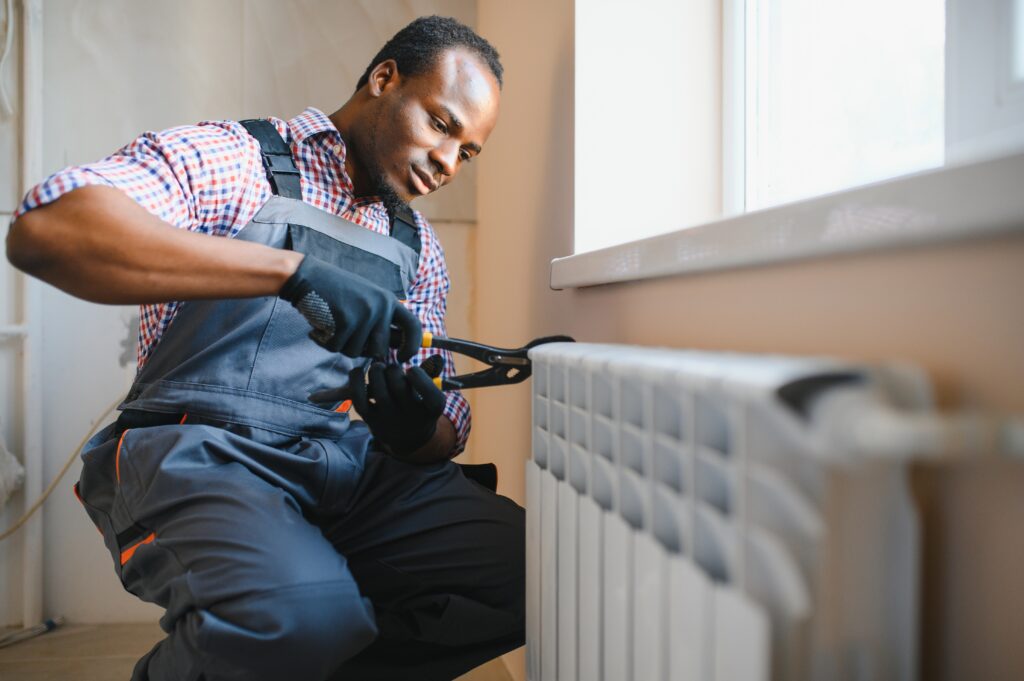
Common Heating Systems Found in Homes
Understanding your heating equipment helps homeowners make informed maintenance decisions.
Gas Furnaces
Gas furnaces remain one of the most popular residential heating systems because they provide reliable, fast heating with relatively low operating costs.
Routine maintenance includes:
- Burner cleaning
- Flame sensor inspection
- Heat exchanger evaluation
- Blower motor servicing
In some cases, aging systems may require furnace repair or complete furnace installation in New Kensington, PA if repairs are no longer cost-effective.
Heat Pumps
Heat pumps provide both heating and cooling, making them an efficient year-round solution.
Routine heat pump services include:
- Refrigerant level checks
- Outdoor coil cleaning
- Defrost cycle inspection
- Fan motor testing
- Thermostat calibration
Proper maintenance helps heat pumps operate efficiently even during colder temperatures.
Boilers
Boilers heat water to provide comfortable indoor temperatures through radiators or radiant floor systems.
Routine maintenance includes:
- Pressure testing
- Pump inspection
- Valve testing
- Water level checks
- Leak inspection
Prompt boiler repair helps maintain efficiency while preventing water damage and costly breakdowns.
Heating Maintenance Checklist
Here’s a simple checklist every homeowner should follow:
- Replace or clean air filters every 30–90 days.
- Inspect thermostat settings monthly.
- Keep vents free from furniture and dust.
- Seal air leaks around windows and doors.
- Schedule professional heating maintenance annually.
- Listen for unusual noises.
- Monitor monthly energy bills.
- Check carbon monoxide detectors.
- Keep outdoor heating equipment free of debris.
- Address small problems before they become expensive repairs.
Winter Heating Preparation: Get Your Home Ready Before Cold Weather Arrives
Preparing your heating system before winter is one of the best ways to avoid unexpected breakdowns and expensive repairs. Waiting until temperatures drop can leave you without heat when you need it most, and emergency service calls are often more costly during peak winter months.
A little preparation before the heating season begins can improve comfort, reduce energy consumption, and extend the life of your equipment.
Winter Heating Preparation Checklist
Complete this checklist before the first cold day of the season:
- Replace or clean your air filter.
- Test your thermostat for accurate temperature control.
- Inspect all air vents and registers.
- Remove debris from around outdoor equipment.
- Check carbon monoxide and smoke detectors.
- Seal gaps around doors and windows.
- Schedule a professional heating inspection.
- Listen for unusual noises during system startup.
- Make sure all vents are open and unobstructed.
- Check for uneven heating throughout your home.
Following this simple checklist every year helps ensure your heating system is prepared for the demands of winter.
DIY Heating Maintenance vs. Professional Service
Many homeowners wonder how much maintenance they can perform themselves. While basic maintenance tasks are safe for most homeowners, more technical inspections should always be handled by trained professionals.
DIY Heating Maintenance
You can safely perform several routine tasks, including:
- Replacing air filters
- Cleaning air vents
- Keeping outdoor units clear of debris
- Monitoring thermostat settings
- Checking for unusual sounds
- Inspecting visible ductwork for damage
- Testing smoke and carbon monoxide detectors
These simple tasks improve efficiency and help identify problems early.
Professional Heating Maintenance
Certain inspections require specialized tools and technical expertise.
Professional maintenance includes:
- Inspecting electrical connections
- Testing gas pressure
- Cleaning burners
- Examining the heat exchanger
- Checking blower motors
- Measuring airflow
- Inspecting refrigerant levels (if applicable)
- Evaluating safety controls
- Testing system performance
Professional inspections provide peace of mind and help ensure your heating system operates safely throughout the winter.
Common Heating Problems Homeowners Experience
Even well-maintained heating systems can develop issues over time. Recognizing these problems early can prevent more expensive repairs.
Uneven Heating
Some rooms may feel much colder than others due to:
- Dirty filters
- Blocked vents
- Leaking ductwork
- Incorrect thermostat placement
Proper maintenance usually resolves these airflow problems.
Weak Airflow
Weak airflow often indicates:
- Clogged filters
- Blower motor issues
- Damaged ductwork
- Fan problems
Ignoring weak airflow forces your heating system to work harder, increasing energy costs.
Strange Noises
Heating systems should operate relatively quietly.
Common noises include:
- Banging
- Squealing
- Grinding
- Clicking
- Rattling
These sounds often indicate worn components that should be inspected before they fail.
Constant Cycling
If your furnace frequently turns on and off, possible causes include:
- Dirty air filters
- Thermostat issues
- Airflow restrictions
- Oversized heating equipment
Short cycling reduces efficiency and places unnecessary stress on the system.
Rising Energy Bills
A sudden increase in heating costs usually indicates reduced efficiency.
Common causes include:
- Dirty filters
- Aging equipment
- Poor insulation
- Air leaks
- Lack of maintenance
Routine Heating Maintenance helps restore efficiency and reduce operating costs.
When Do You Need Heating System Repair?
While routine maintenance prevents many problems, some situations require immediate professional attention.
Contact a technician if you notice:
- No heat from your system
- Burning or gas odors
- Carbon monoxide alarms
- Pilot light problems
- Water leaking around equipment
- Repeated system shutdowns
- Loud mechanical noises
- Thermostat failure
Prompt heating system repair helps prevent additional damage while restoring safe operation.
The Importance of Emergency Heating Repair
Heating systems don’t always fail during convenient hours. A breakdown during freezing temperatures can quickly become a serious safety concern.
Professional emergency heating repair in New Kensington, PA provides fast assistance when homeowners experience:
- Complete heating failure
- Gas furnace malfunctions
- Electrical issues
- Frozen system components
- Dangerous carbon monoxide concerns
Having access to emergency service ensures your family remains safe and comfortable during severe winter weather.
Improve Efficiency with Residential Heating Solutions
Modern residential heating solutions are designed to provide greater comfort while consuming less energy than older systems.
Popular upgrades include:
High-Efficiency Furnaces
Today’s furnaces use advanced technology to convert more fuel into usable heat, reducing energy waste.
Benefits include:
- Lower utility bills
- Faster heating
- Quieter operation
- Improved reliability
Smart Thermostats
Smart thermostats automatically adjust temperatures based on your schedule and can be controlled remotely using a smartphone.
Advantages include:
- Better energy management
- Increased convenience
- Reduced heating costs
- Customized comfort settings
Zoned Heating Systems
Zoning allows homeowners to control temperatures independently in different areas of the home.
This helps:
- Eliminate hot and cold spots
- Reduce energy consumption
- Improve comfort
- Lower operating costs
Benefits of Energy-Efficient Heating
Investing in energy-efficient heating offers both immediate and long-term advantages.
Lower Monthly Utility Bills: Efficient systems use less energy while maintaining comfortable indoor temperatures.
Better Indoor Comfort: Modern equipment provides consistent heating throughout every room.
Reduced Environmental Impact: Lower energy consumption helps reduce greenhouse gas emissions.
Longer Equipment Life: Efficient systems experience less wear because they operate more effectively.
Increased Property Value: Many buyers appreciate homes equipped with modern, energy-efficient heating systems.
Caring for Central Heating Systems
Proper maintenance of central heating systems in New Kensington, PA improves efficiency and helps prevent costly repairs.
Important maintenance practices include:
- Cleaning return air vents
- Inspecting ductwork
- Monitoring thermostat accuracy
- Scheduling annual inspections
- Keeping mechanical rooms clean
- Replacing filters regularly
These simple habits keep your central heating system operating at peak performance.
When Is Heating Replacement the Better Choice?
Although repairs often solve heating problems, replacement sometimes offers greater long-term value.
Consider heating replacement if:
- Your system is over 15–20 years old.
- Repairs have become frequent.
- Utility bills continue increasing.
- Parts are no longer available.
- The heat exchanger has cracked.
- Your home remains uncomfortable despite repairs.
A newer heating system typically offers improved efficiency, greater reliability, and lower operating costs.
How Regular Maintenance Saves Money
Many homeowners view maintenance as an expense, but it is actually one of the best investments you can make.
Routine maintenance helps:
- Prevent major breakdowns.
- Extend equipment lifespan.
- Improve heating performance.
- Lower monthly energy bills.
- Reduce repair frequency.
- Maintain manufacturer warranties.
- Improve indoor comfort.
Preventive care almost always costs less than emergency repairs or premature system replacement.
Winter Heating Preparation: Get Your Home Ready Before Cold Weather Arrives
Preparing your heating system before winter is one of the best ways to avoid unexpected breakdowns and expensive repairs. Waiting until temperatures drop can leave you without heat when you need it most, and emergency service calls are often more costly during peak winter months. A little preparation before the heating season begins can improve comfort, reduce energy consumption, and extend the life of your equipment.
Winter Heating Preparation Checklist
Complete this checklist before the first cold day of the season:
- Replace or clean your air filter.
- Test your thermostat for accurate temperature control.
- Inspect all air vents and registers.
- Remove debris from around outdoor equipment.
- Check carbon monoxide and smoke detectors.
- Seal gaps around doors and windows.
- Schedule a professional heating inspection.
- Listen for unusual noises during system startup.
- Make sure all vents are open and unobstructed.
- Check for uneven heating throughout your home.
Following this simple checklist every year helps ensure your heating system is prepared for the demands of winter.
DIY Heating Maintenance vs. Professional Service
Many homeowners wonder how much maintenance they can perform themselves. While basic maintenance tasks are safe for most homeowners, more technical inspections should always be handled by trained professionals.
DIY Heating Maintenance
You can safely perform several routine tasks, including:
- Replacing air filters
- Cleaning air vents
- Keeping outdoor units clear of debris
- Monitoring thermostat settings
- Checking for unusual sounds
- Inspecting visible ductwork for damage
- Testing smoke and carbon monoxide detectors
These simple tasks improve efficiency and help identify problems early.
Professional Heating Maintenance
Certain inspections require specialized tools and technical expertise.
Professional maintenance includes:
- Inspecting electrical connections
- Testing gas pressure
- Cleaning burners
- Examining the heat exchanger
- Checking blower motors
- Measuring airflow
- Inspecting refrigerant levels (if applicable)
- Evaluating safety controls
- Testing system performance
Professional inspections provide peace of mind and help ensure your heating system operates safely throughout the winter.
Common Heating Problems Homeowners Experience
Even well-maintained heating systems can develop issues over time. Recognizing these problems early can prevent more expensive repairs.
Uneven Heating
Some rooms may feel much colder than others due to:
- Dirty filters
- Blocked vents
- Leaking ductwork
- Incorrect thermostat placement
Proper maintenance usually resolves these airflow problems.
Weak Airflow
Weak airflow often indicates:
- Clogged filters
- Blower motor issues
- Damaged ductwork
- Fan problems
Ignoring weak airflow forces your heating system to work harder, increasing energy costs.
Strange Noises
Heating systems should operate relatively quietly.
Common noises include:
- Banging
- Squealing
- Grinding
- Clicking
- Rattling
These sounds often indicate worn components that should be inspected before they fail.
Constant Cycling
If your furnace frequently turns on and off, possible causes include:
- Dirty air filters
- Thermostat issues
- Airflow restrictions
- Oversized heating equipment
Short cycling reduces efficiency and places unnecessary stress on the system.
Rising Energy Bills
A sudden increase in heating costs usually indicates reduced efficiency.
Common causes include:
- Dirty filters
- Aging equipment
- Poor insulation
- Air leaks
- Lack of maintenance
Routine Heating Maintenance helps restore efficiency and reduce operating costs.
When Do You Need Heating System Repair?
While routine maintenance prevents many problems, some situations require immediate professional attention.
Contact a technician if you notice:
- No heat from your system
- Burning or gas odors
- Carbon monoxide alarms
- Pilot light problems
- Water leaking around equipment
- Repeated system shutdowns
- Loud mechanical noises
- Thermostat failure
Prompt heating system repair helps prevent additional damage while restoring safe operation.
The Importance of Emergency Heating Repair
Heating systems don’t always fail during convenient hours. A breakdown during freezing temperatures can quickly become a serious safety concern.
Professional emergency heating repair in New Kensington, PA provides fast assistance when homeowners experience:
- Complete heating failure
- Gas furnace malfunctions
- Electrical issues
- Frozen system components
- Dangerous carbon monoxide concerns
Having access to emergency service ensures your family remains safe and comfortable during severe winter weather.
Improve Efficiency with Residential Heating Solutions
Modern residential heating solutions are designed to provide greater comfort while consuming less energy than older systems.
Popular upgrades include:
High-Efficiency Furnaces
Today’s furnaces use advanced technology to convert more fuel into usable heat, reducing energy waste.
Benefits include:
- Lower utility bills
- Faster heating
- Quieter operation
- Improved reliability
Smart Thermostats
Smart thermostats automatically adjust temperatures based on your schedule and can be controlled remotely using a smartphone.
Advantages include:
- Better energy management
- Increased convenience
- Reduced heating costs
- Customized comfort settings
Zoned Heating Systems
Zoning allows homeowners to control temperatures independently in different areas of the home.
This helps:
- Eliminate hot and cold spots
- Reduce energy consumption
- Improve comfort
- Lower operating costs
Benefits of Energy-Efficient Heating
Investing in energy-efficient heating offers both immediate and long-term advantages.
Lower Monthly Utility Bills: Efficient systems use less energy while maintaining comfortable indoor temperatures.
Better Indoor Comfort: Modern equipment provides consistent heating throughout every room.
Reduced Environmental Impact: Lower energy consumption helps reduce greenhouse gas emissions.
Longer Equipment Life: Efficient systems experience less wear because they operate more effectively.
Increased Property Value: Many buyers appreciate homes equipped with modern, energy-efficient heating systems.
Caring for Central Heating Systems
Proper maintenance of central heating systems in New Kensington, PA improves efficiency and helps prevent costly repairs.
Important maintenance practices include:
- Cleaning return air vents
- Inspecting ductwork
- Monitoring thermostat accuracy
- Scheduling annual inspections
- Keeping mechanical rooms clean
- Replacing filters regularly
These simple habits keep your central heating system operating at peak performance.
When Is Heating Replacement the Better Choice?
Although repairs often solve heating problems, replacement sometimes offers greater long-term value.
Consider heating replacement if:
- Your system is over 15–20 years old.
- Repairs have become frequent.
- Utility bills continue increasing.
- Parts are no longer available.
- The heat exchanger has cracked.
- Your home remains uncomfortable despite repairs.
A newer heating system typically offers improved efficiency, greater reliability, and lower operating costs.
How Regular Maintenance Saves Money
Many homeowners view maintenance as an expense, but it is actually one of the best investments you can make.
Routine maintenance helps:
- Prevent major breakdowns.
- Extend equipment lifespan.
- Improve heating performance.
- Lower monthly energy bills.
- Reduce repair frequency.
- Maintain manufacturer warranties.
- Improve indoor comfort.
Preventive care almost always costs less than emergency repairs or premature system replacement.
Annual Heating Maintenance Schedule
Following a regular maintenance schedule helps prevent unexpected breakdowns and extends the life of your heating equipment.
| Maintenance Task | Recommended Frequency |
| Replace or clean air filters | Every 30–90 days |
| Check thermostat settings | Monthly |
| Clean supply and return vents | Every 2–3 months |
| Inspect visible ductwork | Twice a year |
| Test smoke and carbon monoxide detectors | Monthly |
| Clean around outdoor equipment | Every season |
| Schedule professional heating maintenance | Once a year (before winter) |
| Inspect insulation and air leaks | Before winter |
| Check system performance | At the start of each heating season |
Sticking to this maintenance schedule helps maximize efficiency and reduce repair costs.
Heating Maintenance Cost vs. Repair Cost
Many homeowners wonder whether routine maintenance is worth the investment. In most cases, preventive maintenance costs significantly less than emergency repairs or premature system replacement.
| Service | Typical Cost Range |
| Annual Heating Maintenance | $100–$300 |
| Furnace Repair | $150–$1,500+ |
| Boiler Repair | $200–$2,000+ |
| Heat Pump Repair | $200–$2,500+ |
| Emergency Heating Repair | Higher due to after-hours service |
| Heating Replacement | Several thousand dollars, depending on system type and installation requirements |
Routine maintenance is one of the most affordable ways to avoid major repair expenses and improve system reliability.
Heating Maintenance Tips for Maximum Efficiency
Keeping your heating system running efficiently doesn’t always require major upgrades. Small habits can make a noticeable difference.
Follow these tips throughout the year:
- Replace filters on schedule.
- Keep furniture away from supply vents.
- Vacuum dust from vents and registers.
- Seal drafts around windows and doors.
- Use a programmable thermostat.
- Schedule annual professional inspections.
- Listen for unusual noises.
- Keep outdoor equipment free from leaves and debris.
- Monitor monthly utility bills for sudden increases.
- Address minor issues before they become costly repairs.
These simple practices improve efficiency, lower energy bills, and help extend the lifespan of your heating system.
Final Thoughts
Consistent Heating Maintenance is one of the smartest investments homeowners can make. From replacing air filters and checking thermostat settings to scheduling annual inspections, routine maintenance keeps your heating system operating safely, efficiently, and reliably throughout the winter.
Preventive care not only reduces the likelihood of expensive repairs but also improves energy efficiency, enhances indoor comfort, and extends the life of your heating equipment. Whether your home relies on a furnace, boiler, heat pump, or central heating system, taking a proactive approach to maintenance can save money and provide greater peace of mind.
By following the maintenance tips outlined in this guide and addressing small issues before they become major problems, you’ll enjoy dependable heating performance and a warmer, more comfortable home for years to come.
Frequently Asked Questions
How often should heating maintenance be performed?
Most heating systems should be professionally serviced once each year, ideally before the winter season begins. Homeowners should also inspect air filters monthly and replace them every 30 to 90 days.
What is included in professional heating maintenance?
Professional maintenance usually includes cleaning components, inspecting electrical connections, testing safety controls, checking airflow, calibrating the thermostat, inspecting burners, evaluating the heat exchanger, and confirming overall system performance.
Why is heating maintenance important?
Routine heating maintenance improves energy efficiency, reduces repair costs, extends equipment life, enhances indoor comfort, and helps prevent unexpected breakdowns during cold weather.
How can I make my heating system more energy efficient?
Replace air filters regularly, seal air leaks, keep vents clean, use a programmable thermostat, schedule annual maintenance, and improve your home’s insulation.
Can I perform heating maintenance myself?
Homeowners can safely replace filters, clean vents, and monitor thermostat settings. However, inspections involving electrical components, burners, gas connections, or refrigerant systems should always be completed by trained professionals.
When should I replace my heating system instead of repairing it?
Replacement is usually recommended when the system is over 15 years old, repair costs are high, breakdowns become frequent, or efficiency has significantly declined.
Does regular heating maintenance lower energy bills?
Yes. Clean, properly adjusted heating systems use less energy, helping homeowners reduce monthly heating costs while maintaining consistent indoor comfort.
What should I do if my heating system stops working in winter?
First, check the thermostat settings, circuit breaker, and air filter. If the system still doesn’t operate correctly, contact a qualified HVAC professional to diagnose and repair the issue safely.